Children have a unique sense of belonging; they may never remember every toy they owned, the lessons they learnt at school, and, most of the time, the friends they once had.
However, they always keep in mind how someone had made them feel. A trusted friendship gives children a sense of belonging, security, and confidence that shapes how they understand themselves and the world around them. Whether it’s a lifelong friend, a sibling, a grandparent, or a caring uncle like Joe in My Best Friend Joe, these relationships form the foundation of children’s emotional development.
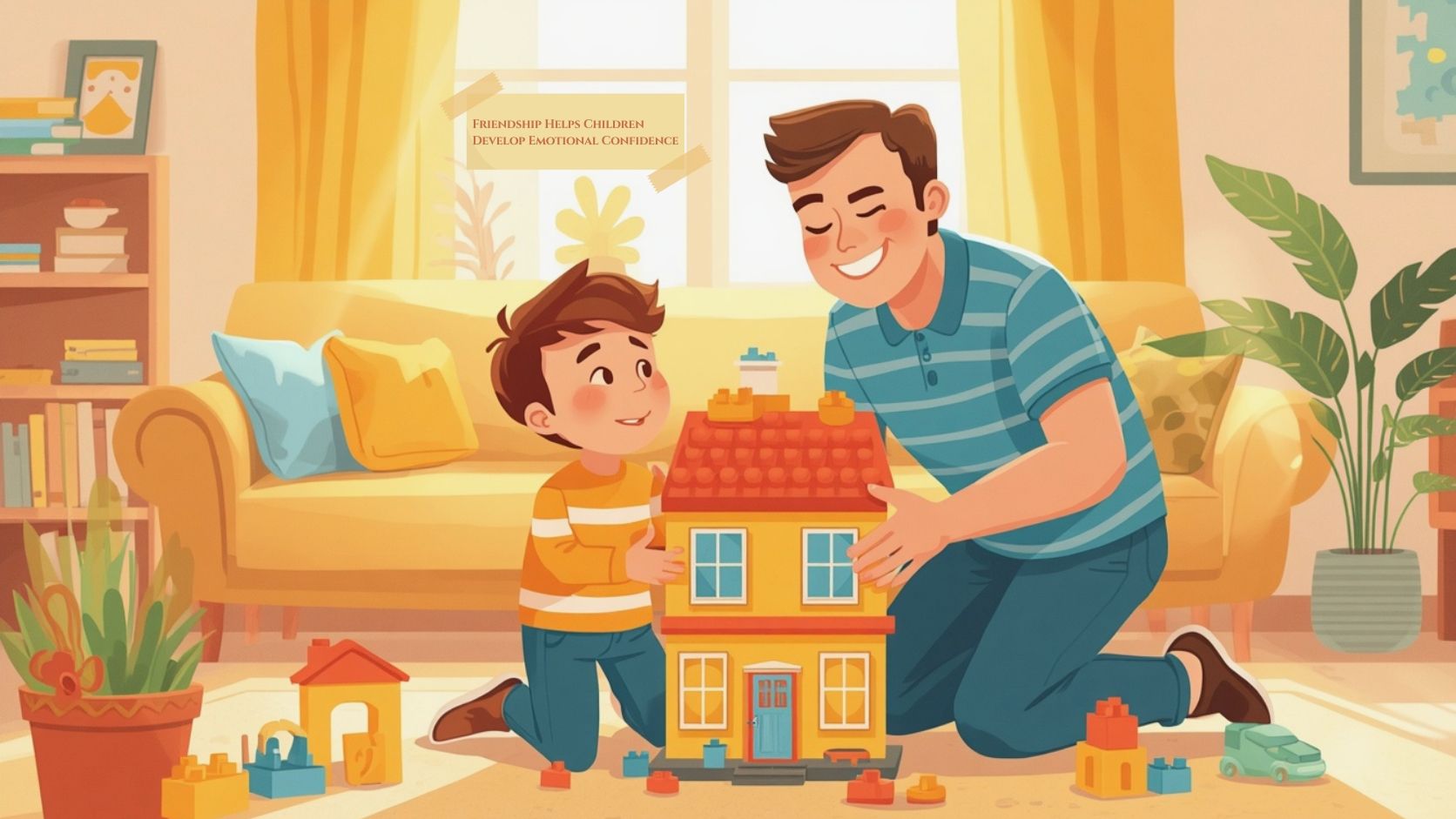
The story beautifully unfolds how small, everyday interactions- building LEGO houses, sharing dinner, taking bath-time adventures, or simply saying “I missed you” during a FaceTime call- can create an emotional bond that lasts a lifetime.
Why Friendship Matters for Children’s Emotional Development:
One of the most sacred relationships that we hold close to our hearts is our friendship. It’s when strong friendships help children feel accepted without judgment. They provide a safe space where children can express excitement, sadness, curiosity, and affection without fear of being misunderstood.
This sense of emotional safety is essential for children’s emotional development because it teaches children that their feelings matter. When a trusted person consistently responds with patience, kindness, and encouragement, children learn to trust others and themselves.
Similar instances of how beautiful friendship can be for children can be seen in the story of a little boy who eagerly waits by the window, runs for warm hugs, and proudly tells everyone, “My best friend Joe.” These repeated moments of love strengthen his confidence because he knows someone will always be there for him.
Everyday Moments Build Emotional Confidence:
Parents often think emotional growth comes from major life lessons. In reality, children usually learn the most through ordinary experiences.
Simple routines such as:
- Eating meals together
- Playing imaginative games
- Reading stories
- Going for walks
- Talking before bedtime
- Video calling loved ones.
All contribute to a child’s emotional well-being.
Throughout the story, Joe never plans extravagant adventures. Instead, he spends quality time helping build LEGO houses, teaching table manners, playing during bath time, and answering endless questions with patience. These consistent moments reassure the little boy that he is important and loved.
This kind of consistency plays a major role in emotional connection in childhood.
Friendship Teaches Important Life Skills
Friendships naturally become classrooms where children learn valuable emotional lessons. Friendship, at its core, has many life-changing effects on young minds. It’s when they learn to listen to others, show empathy and kindness, and, most importantly, share their experiences.
Children who develop these skills often find it easier to build healthy relationships throughout life.
The little boy doesn’t simply enjoy spending time with Joe, but he watches him closely, copies his behaviour, learns new habits, and proudly celebrates what they’ve accomplished together. Joe becomes both a trusted friend and a positive role model.
Teaching Children About Relationships Starts at Home:
One of the most powerful messages in My Best Friend Joe is that meaningful friendships aren’t limited by age. Neither the gender nor the status of the person.
The little boy’s closest friend isn’t another child. It’s a caring adult who consistently makes time for him.
This reminds parents that teaching children about relationships begins with the examples children see every day. Respect, patience, affection, and genuine interest become behaviours children naturally imitate.
Adults who actively listen, keep promises, celebrate small victories, and offer comfort during difficult moments teach emotional intelligence without giving formal lessons.
Children learn far more from what they experience than from what they are told.
Emotional Support Works Both Ways:
Perhaps the most touching part of the story is that the friendship not only helps the child.
Joe is quietly carrying grief and loneliness after losing people he deeply loved. The little boy’s hugs, excitement, and innocent affection help fill an emotional void that Joe never expected. Their friendship becomes healing for both of them.
This beautiful message teaches children that kindness has value. Even small gestures—a hug, a phone call, or simply saying “I missed you”- can brighten someone’s day.
Understanding this strengthens the development of social skills in children by helping them recognise that relationships involve both giving and receiving care.
Why Books About Friendship for Children Matter
Books and stories play a very special role in the minds of young children. Stories often help children understand emotions more easily than direct conversations.
Reading books about friendship for children allows young readers to see examples of compassion, loyalty, empathy, and resilience through relatable characters. They also give parents opportunities to ask meaningful questions after reading together.
My Best Friend Joe encourages these conversations with thoughtful reflection prompts, inviting children to think about who their own “best friend Joe” might be, what makes someone a great friend, and which small moments have become unforgettable memories.
Books like this remind children that friendship isn’t measured by expensive gifts or exciting adventures. It’s built through everyday acts of love.
Final Thoughts
As Gine Marie says in her book, Healthy friendships give children far more than happy memories—they give them emotional confidence that lasts into adulthood. Every shared laugh, encouraging word, bedtime conversation, or comforting hug teaches children that they are valued and supported. By nurturing loving friendships and sharing heartfelt stories, parents can support children’s emotional development and help them grow into emotionally secure, empathetic, and confident individuals.